Understanding the Health Risks of Damp Walls and Mold in Homes
Waterproofers Team
April 23, 2026
Learn how damp walls and mold in homes can affect health, from allergies and breathing issues to skin irritation. Discover warning signs, common causes, who is most at risk, and practical steps to prevent moisture problems and protect your family.
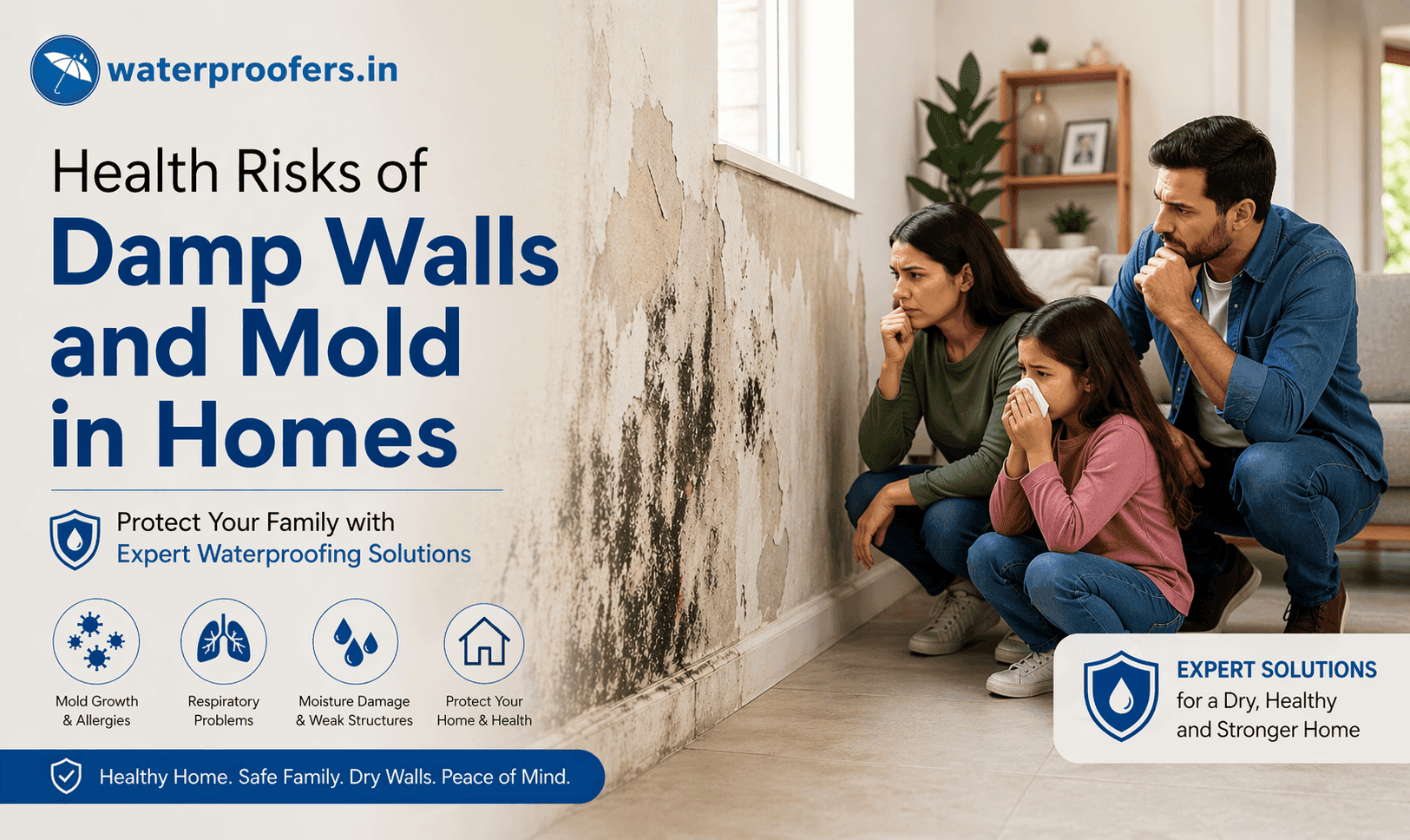
Moldy patches on the wall. That lingering musty smell. Peeling paint and unexplained allergies—if you’ve dealt with dampness at home or at your business, you already know it’s more than just an aesthetic issue. The health risks of damp walls and mold in homes can be surprisingly serious. For business owners, employees, or families, it pays to understand what signs to look for, who’s most vulnerable, and how to stop these moisture problems before they do harm.
Why Dampness and Mold Matter Beyond the Surface
Imagine this: Your team or your tenants call you complaining about stuffy air, watery eyes, or coughing that won’t quit. Maybe you notice headaches are more common after a rainy week, or customers comment on that “old building” smell. It’s not just bad for business—it’s not great for anyone’s health.
Damp walls and mold in homes don’t discriminate. They creep into old buildings and new ones, apartments and offices alike. Over time, ignoring these sneaky problems can mean putting staff and customers at risk of allergies, asthma attacks, or worse. For business owners, that can lead to absenteeism, complaints, or even liability.
How Damp Walls Affect Health: What the Science Says
Dampness creates the perfect environment for mold, bacteria, and dust mites. These unwelcome guests release tiny spores and particles into the air. When inhaled, they can trigger a range of health issues, especially if someone is already sensitive.
Respiratory issues: Coughing, wheezing, sinus congestion, or shortness of breath-these are some of the earliest warning signs.
Allergic reactions: Itchy eyes, sneezing, and sore throats are common symptoms of allergies caused by mold at home or work.
For people with asthma or weakened immune systems, the risks are even greater. Long-term exposure to dampness and mold in homes has been associated with chronic lung conditions, especially among children or the elderly.
Who’s Most at Risk from Mold in Homes?
Anyone can experience mold in house health effects, but certain groups are more susceptible:
Children and infants: Developing lungs are extra sensitive to mold spores.
Elderly individuals: Weaker immune systems mean more risk for serious infections.
People with asthma or allergies: Damp walls and mold health risks include triggering attacks or making allergies harder to manage.
Even healthy adults can develop symptoms after prolonged exposure, especially in enclosed spaces like small businesses or home offices where ventilation is poor.
Common Causes of Dampness and Mold in Homes
Spotting a blotch of mold on the wall or ceiling doesn’t always mean you’ve neglected cleaning. More often, damp walls and mold health risks start with hidden moisture problems. Here are a few culprits to watch for:
Leaking roofs or gutters
Poorly sealed windows and doors
Rising damp from old plumbing or cracked foundations
Sometimes, even a blocked air vent or overzealous indoor plant watering can tilt the scales. As a business owner, regular checks can catch these issues before they bloom into something bigger.
Warning Signs: Is Your Property at Risk?
It’s easy to miss the early clues. Stay alert for these warning signs:
Musty, earthy odors that linger
Discolored walls, paint bubbling, or wallpaper peeling
Condensation on windows or cold spots on the wall
If employees report more frequent respiratory complaints or you find cleaning isn’t helping, it’s time to investigate.
Practical Tips to Prevent Dampness and Mold
Don’t worry-tackling moisture problems doesn’t always mean a major renovation. Here’s how you can disrupt mold growth and protect everyone in your space:
Ventilate well: Encourage regular air flow by opening windows, installing extractor fans, or maintaining HVAC systems.
Fix leaks promptly: Whether it’s a small drip or a damp patch, a quick repair saves bigger headaches later.
If you see or smell mold, clean it with approved products and consider bringing in professionals if the area is larger than a meter wide.
Choosing the Right Waterproofing Solution: A Quick Guide
If you’re considering a lasting solution, think about these factors before hiring a waterproofing service or investing in renovation:
Quality matters: Look for certified contractors with experience treating both visible and hidden sources of water intrusion.
Sustainability: Ask about eco-friendly or low-toxicity treatments that are safe for indoor environments.
Warranty and follow-up: Reliable companies offer guarantees and post-treatment support—peace of mind that your space stays dry and healthy.
A tailored solution does more than dry out your walls; it can mean a safer, happier environment for anyone who enters your building.
Stay Proactive—Protect Your Business and Your Health
When it comes to the health risks of damp walls and mold in homes, the real cost isn’t just cosmetic repairs or musty odors-it’s the long-term impact on the well-being of your family, team, or customers. Watching for warning signs, fixing leaks fast, and choosing trustworthy waterproofers all help you stay ahead of the problem.
If you’re not sure where to start, connect with a qualified waterproofer for a property inspection. Whether you manage a busy office, run a small retail space, or own a family home, a little prevention keeps both your reputation and the people you care about safe and healthy.
Ready to take action? Set up a moisture check or review your site’s maintenance plan today—your future self (and everyone under your roof) will thank you.