How to Choose the Right Waterproofer for Your Project: A Comprehensive Guide
January 6, 2026
Guide readers through the process of selecting the most effective waterproofer, tailored to their specific needs whether for decks, basements, or exterior walls. Include tips on reading product labels and comparing formulas.
Ever stood in the aisle of your local hardware store, staring at rows of waterproofers and thinking, “Which one is actually going to protect my deck, basement, or those tricky exterior walls?” If that sounds familiar, you’re in good company. Picking the right waterproofer isn’t just about grabbing whatever’s on sale it’s about making sure your space stays dry, safe, and in great shape for years to come. Whether you’re a DIY newbie or have a few reno projects under your belt, this guide is here to help you sort through the choices, read those product labels with confidence, and find the best match for your needs.
Why the Right Waterproofer Really Matters
Let’s be real: water is sneaky. A single rainy weekend can spell disaster for a poorly protected basement, and your beautiful deck might start looking worse for wear after just one harsh season. Water damage isn’t just about aesthetics it can mean mold, structural instability, and repair bills down the line. That’s why choosing the right waterproofer is about more than convenience. It’s about peace of mind, protecting your investment, and making your home a safe, comfortable space.
Think about that freshly sealed deck, ready for family barbecues, or a basement that stays bone dry no matter the weather. The waterproofer you choose is the behind the scenes hero keeping things that way. Nobody wants to spend their weekends battling leaks or watching their paint peel so let’s dive into how you pick the waterproofer that actually works for your project.
Understanding Waterproofer Types and What They Mean for You
Waterproofers aren’t all created equal. Depending on the job—whether you’re protecting wood outside or sealing concrete indoors you’ll find a range of formulas and finishes. Knowing the differences makes life a whole lot easier when you want results that last.
Decks and Exterior Wood
If outdoor decks or fences are on your to do list, you’ll want a waterproofer designed for wood. These formulas are often clear or lightly tinted, letting you showcase the grain while still repelling water. Oil based options soak into the wood, offering deep protection but sometimes altering color. Water based waterproofers are popular too they’re low odor and easy to clean up, but may require regular reapplication based on the climate.
Basements and Concrete Surfaces
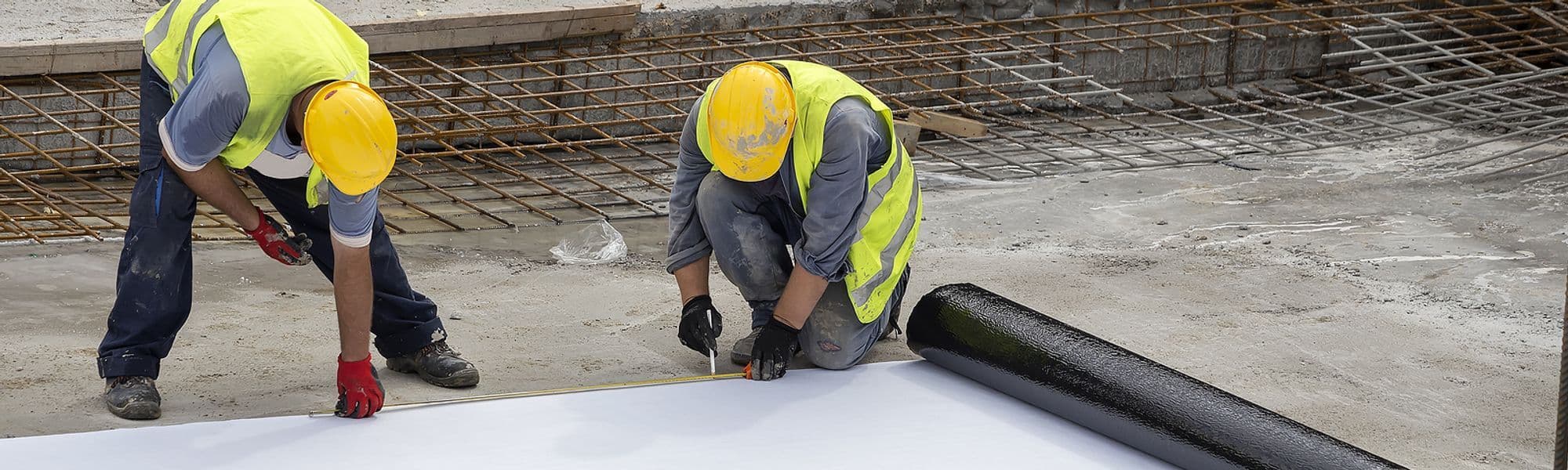
Basements need serious moisture defense. Here, concrete waterproofers come in various styles think sealants, membranes, or paints. Some formulas go on like thick paint, literally creating a barrier that water can’t penetrate. Others are applied beneath floors or behind walls during construction, which is handy if you’re planning a big renovation.
Exterior Walls
Don’t forget those brick, stone, or stucco walls. They need a waterproofer that can handle wind, rain, and seasonal swings. Masonry waterproofers keep water out while allowing the wall to “breathe,” preventing trapped moisture. Always check product labels for compatibility; using the wrong formula could mean peeling, flaking, or missed protection.
How to Read Waterproofer Labels Like a Pro
Product labels might se em packed with jargon, but they carry the info you need. What’s inside mattersand how it’s applied does too. Here’s what to keep an eye on:
- Surface Compatibility: Make sure the waterproofer matches your project wood, concrete, masonry, or something else.
- Application Method: Some waterproofers can be brushed, rolled, or sprayed. Choose what works for your comfort and surface size.
- Longevity and Coverage: Check how long the protection lasts and estimate how much you’ll need (look for coverage per gallon).
Look out for terms like “UV protection” for outdoor surfaces, “mold resistance” for basements, and “stain finish” if you want a touch of color. Comparing formulas isn’t just about price. Durability and ease of use can make a big difference in the long run.
Tips for Choosing and Applying Your Waterproofer
Ready to narrow it down? Here’s some practical advice to make the process smoother, before and after you pick your product:
- Consider Your Climate: Live somewhere with heavy rain or intense sun? Choose a waterproofer with UV and extreme weather protection.
- Test a Small Area First: Apply to a hidden spot to check for color change or unexpected reactions.
- Follow Prep Steps: Clean and dry your surface for best results don’t skip this for any waterproofer!
If you’re working on a deck, remember to check if a second coat is needed. For basements, ensure good ventilation during application; many waterproofers have strong fumes. And for exterior walls, patch any cracks ahead of time before going all in.
A Quick Buying Guide: Quality Over Hype
Before adding that waterproofer to your cart, ask yourself a few questions:
- Is it suitable for my surface? Stick to waterproofers made for your project.
- What are reviewers saying? Look for trusted brands with real customer feedback. If a product consistently gets positive results, it’s likely a safe bet.
- Sustainability Matters: Eco friendly waterproofers mean less harsh chemicals around your home and yard. Many brands now list environmental certifications on their labels.
Don’t overlook safety either check labels for recommended gear and ventilation. It’s better to take a few extra minutes reading (and prepping!) than risk headaches down the road.
Wrapping Up: Choose Confidence, Not Just a Can
Waterproofers aren’t one size fits all, and taking a little time to pick the right one can save you years of hassle. Whether you’re sealing up a new deck, defending your basement from the next thunderstorm, or making sure the outside of your home stays fresh, remember: you’re aiming for protection, longevity, and simplicity.
So don’t let choice overwhelm you lean on the label, trust real reviews, and match the formula to your space. With these tips, you’re ready to select the ideal waterproofer and tackle your project with confidence. Now, grab that brush or roller and make your home that much safer and more comfortable. If you have questions, don’t hesitate to reach out or drop a comment every great project starts with a little know how and the right plan.