How to Fix Common Water Leakage Issues in Flats
Waterproofers Team
February 4, 2026
A practical how-to guide for tackling and resolving common water leakage problems within residential flats.
Water leakage in flats is one of those issues you don’t really think about until you absolutely have to. When you notice a growing stain on your ceiling or a drip-drip sound coming from behind the bathroom tiles, it suddenly moves to the top of your list. Whether you rent or own your flat, understanding the basics of spotting and stopping leaks can spare you a world of stress, damage, and expensive repairs. If you’ve ever wondered how to fix common water leakage issues in flats, you’ve landed in the right place.
Why Addressing Water Leakage in Flats Really Matters
Let’s be real: discovering water leakage in flats is never convenient. It disrupts your daily life and can lead to bigger headaches, like crumbling plaster, peeling paint, and even mold growth. Even if it starts as a small trickle, water can travel surprising distances, often affecting not only your flat but also your neighbours downstairs. In shared living environments, what seems like “your problem” quickly becomes everyone’s concern. (Trust me, that midnight knock from a neighbour is never fun.)
Ignoring these leaks can drive up maintenance costs, impact property values, and more importantly affect your health. That musty smell? It could be mold spores, which are not great for asthmatics or anyone with allergies. Tackling leaks at the first sign is an act of self-preservation and a favor to your future self and community.
Spotting Common Types of Water Leakage in Flats
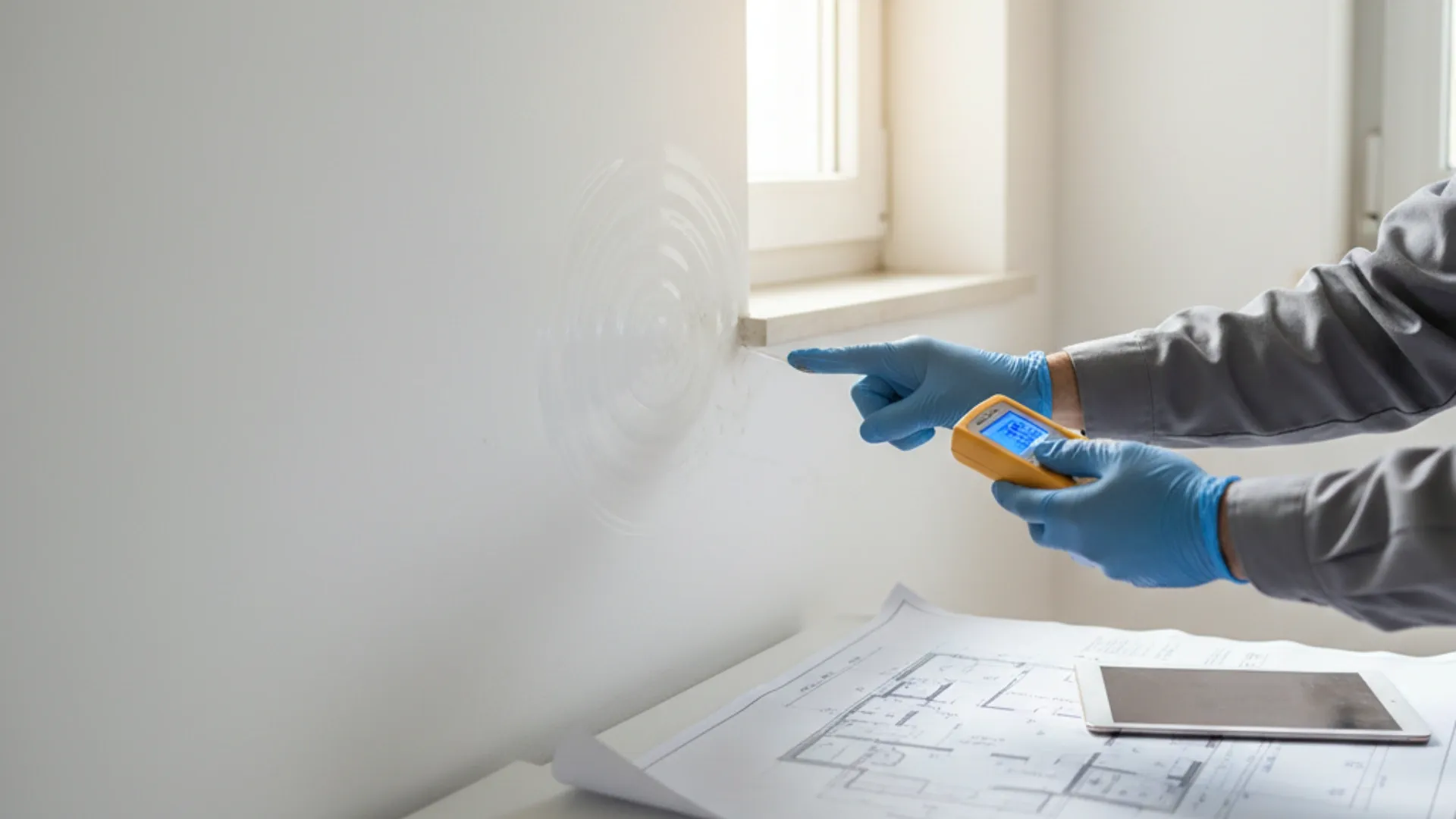
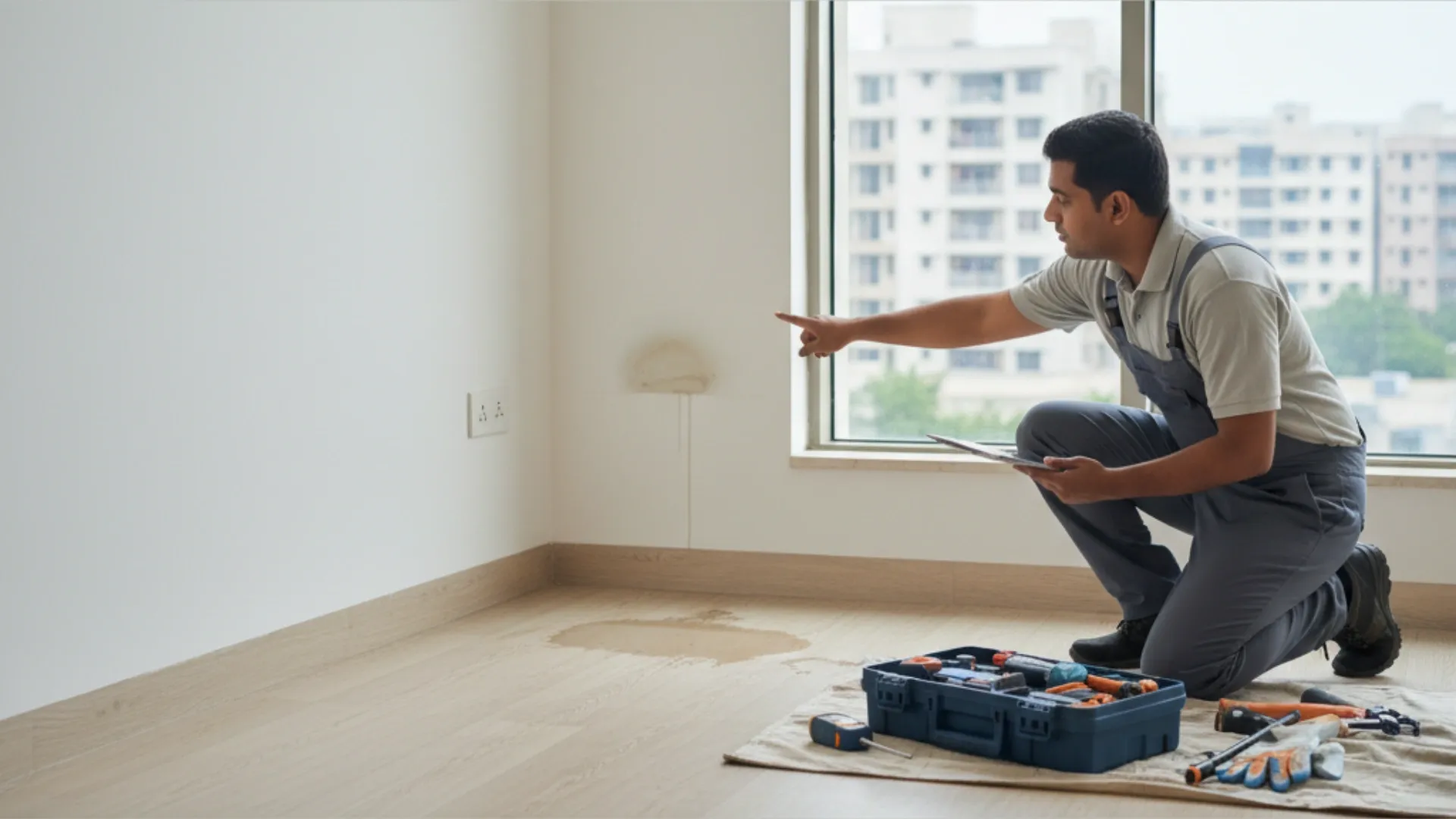
Before you can tackle water leakage in flats, you need to identify where it’s coming from. Water has a sneaky way of traveling along beams and through cracks, so the source is often not directly above the stain. Here’s where to look:
1. Ceiling Leaks
These usually show up as damp spots, bubbling paint, or discoloration on the ceiling. In flats, they’re often caused by plumbing issues from the flat above think overflowing showers or faulty pipes. Sometimes, structural cracks in the roof or terrace above your floor are to blame, allowing rain to trickle down.
2. Wall Seepage
If you spot peeling paint or powdery patches on interior walls, it’s typically due to leaking pipes or condensation inside the wall. In kitchens and bathrooms, check for wall tiles that feel loose or damp a classic sign that persistent water is trapped inside.
3. Bathroom & Kitchen Leaks
Bathrooms and kitchens are leak hotspots, thanks to the daily use of water. Common culprits are worn-out pipe joints, faulty faucets, or broken grout lines around sinks and tubs. Water can seep under floor tiles or behind cabinetry, creating hidden wet spots that take a while to spot.
How to Fix Water Leakage Issues in Flats: Practical Steps
Wondering if you need to call a plumber immediately? Sometimes yes, sometimes no! Some common water leakage in flats can be resolved with a little know-how and effort. Here’s a practical approach:
- Pinpoint the Source: Start by marking water stains and checking during different times of day (like after a shower or rain) to spot active leaks.
- Patch Up Small Cracks: For minor ceiling or wall cracks, use waterproof filler and allow it to dry completely before repainting.
- Check Grouting and Sealants: Replace or repair cracked grout and worn-out silicone around sinks, bathtubs, or countertops. Make sure everything is watertight.
If you’re dealing with leaks from your neighbour’s flat, communicate quickly. Sometimes, the fix is in a pipe or fitting that’s just out of your reach!
Key Tips to Prevent Water Leakage in Flats
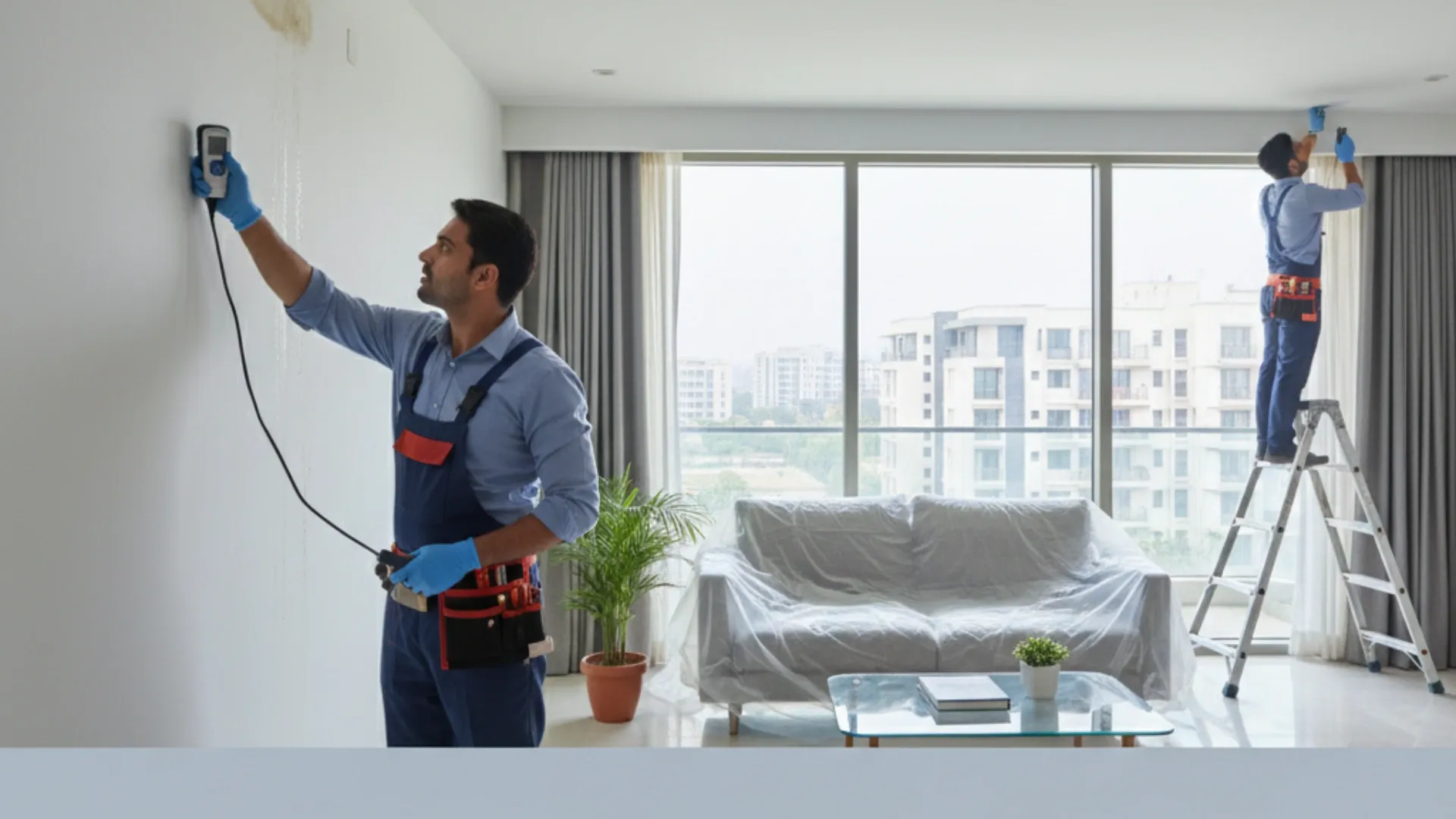
Once you’ve addressed the immediate issue, a few routine checks can help save time (and cash) in the long run:
- Inspect Tiles and Joints: Check bathroom and kitchen tiles for signs of dampness or movement, as these are weak spots for water entry.
- Keep Drains and Pipes Clear: Blocked drains can cause backflow and leaks. Regularly clear out debris to prevent slow leaks.
It’s also a good idea to look outside balcony and terrace drainage can affect your flat, especially during heavy rains.
What to Look for When Hiring Help for Water Leakage Fixes
Not every water leakage in flats is a DIY fix, and that’s perfectly okay. When you’re ready to call in a professional, keep these pointers in mind:
- Certified Plumbers or Waterproofing Experts: Make sure your contractor is qualified and experienced in flat repairs, not just general plumbing.
- Quality Materials: Ask about durable, proven sealants or waterproofing chemicals before work begins. Cheaper options might not last, costing more in the long run.
- Warranty and Follow-up: Reliable service providers usually offer a warranty period. It’s a sign they stand by their work and will return if the leakage recurs.
A quick online search in your area or a chat with other residents can help you find trustworthy professionals in your community.
Before You Buy or Rent: The Water Leakage Checklist
Looking for a flat? Don’t forget to check for any signs of water leakage before signing on the dotted line. Here are a couple of things you should do:
- Inspect All Wet Areas: Visit bathrooms, kitchens, and balconies—look for stains, cracked tiles, or musty smells.
- Ask About Past Issues: Owners or agents should share the flat’s repair history. If major leakage has been dealt with recently, ask for repair and warranty details.
Never hesitate to bring up concerns the best time to solve a leak is before you move in!
Conclusion: Don’t Delay Address Water Leakage in Flats Early
Water leakage in flats is more than an inconvenience; it’s a call to action. The sooner you spot, fix, and prevent problems, the more comfortable (and healthy) your living space will be. Whether you’re patching a small crack or seeking out the right expert, remember that leaks rarely fix themselves and can cause bigger issues if ignored.
If you’re dealing with water leakage in your flat right now, take a small step today inspect, reach out for help, or start your first repair. Your walls (and future self) will thank you!