Top Warning Signs of Rising Damp in Delhi NCR Buildings—And How Chemical Treatment Solves Them
December 22, 2025
Spotlight the most common symptoms of rising damp in Delhi NCR’s residential and commercial buildings, and explain how timely chemical intervention can prevent costly structural damage.
Rising damp isn’t just a distant threat—it’s a real and often underestimated issue for buildings in Delhi NCR. If you live or work in the region, you might have spotted flaking paint or musty smells in basements, but shrugged them off as mere quirks of Delhi’s weather. The reality? These are classic warning signs that your building could be suffering from rising dampness, a problem that, left unchecked, can damage both homes and businesses. Today, we’re diving into the most common symptoms of rising damp, how to recognise them early, and most importantly, how Chemical Rising Damp Treatment for Delhi NCR Buildings can make all the difference when it comes to preserving your property—and peace of mind.
Why Understanding Rising Damp in Delhi NCR Matters
Delhi NCR’s vibrant real estate, from heritage homes in old Delhi lanes to modern apartments in Noida and office blocks in Gurgaon, faces unique challenges. Rising damp is not just a problem for quaint, old bungalows; commercial buildings and high-rises are at risk too. The mix of clay soils, fluctuating groundwater levels, and the city’s seasonal humidity mean that dampness seeps into places you might least expect.
Think of the last time you noticed yellowing, crumbling patches at the bottom of a wall or that unmistakably musty air on a monsoon morning. Not just unpleasant, these issues eat away at concrete, ruin décor, and worst of all—they’re usually warning signals that foundation moisture is rising. Addressing dampness early helps property owners steer clear of expensive repairs. For families, it means a healthier, more comfortable home. For business owners, it’s about safeguarding investments, creating a positive first impression for clients, and keeping insurance premiums in check.
Spotting the Top Warning Signs of Rising Damp
1. Peeling Paint and Plaster at Low Levels
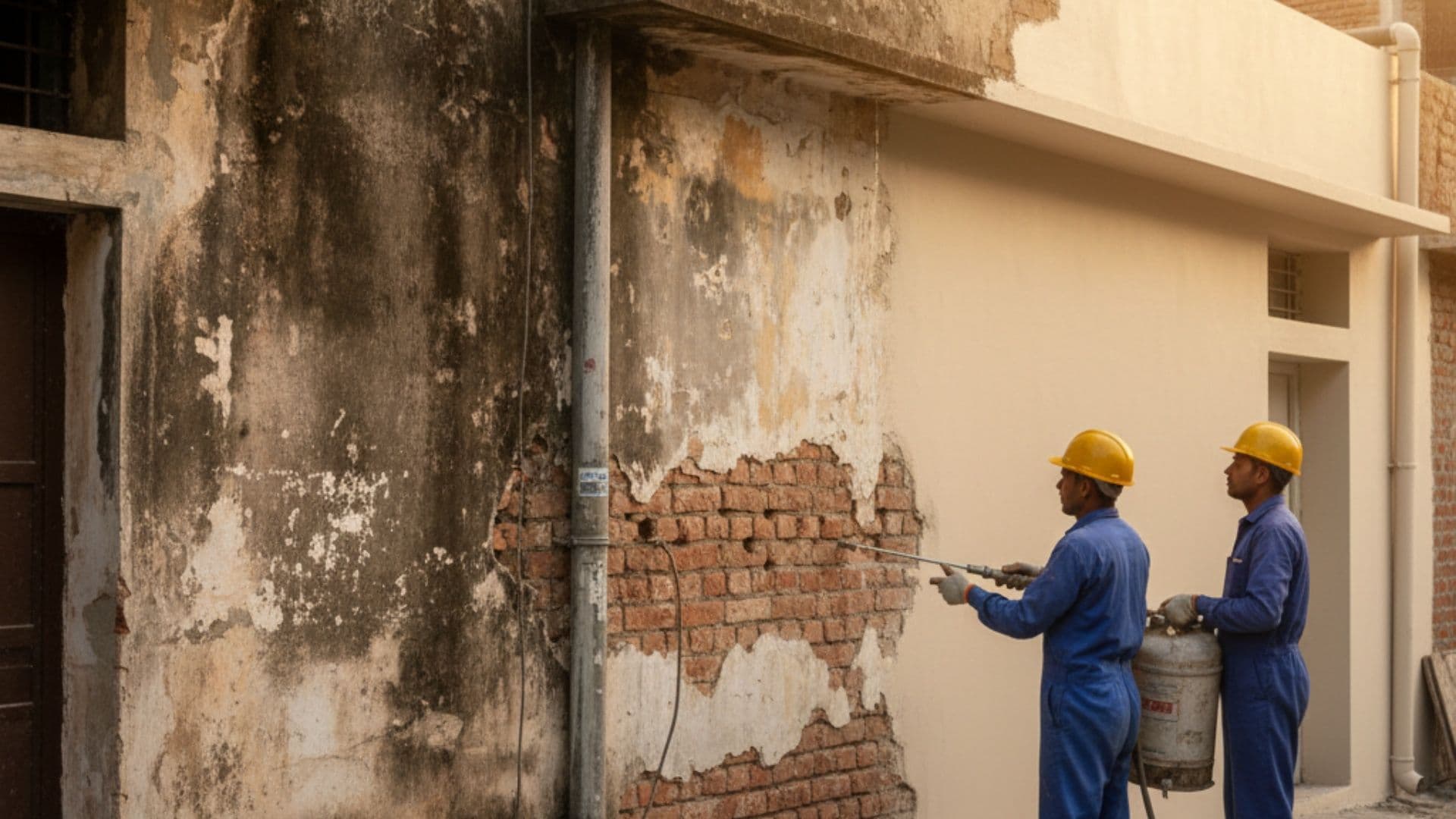
One of the most telling and visible signs of rising damp is paint or plaster flaking off at the base of walls. You’ll often see bubbles, cracks, or sections of wall that look darker and feel soft to the touch. This isn’t just an aesthetics issue—these blemishes signal water moving upward from the ground, dissolving salts within bricks and mortar along the way.
2. Persistent Musty Odours
If some parts of your Delhi NCR building always carry a humid, earthy smell (worse during monsoon), don’t just blame it on old slippers or the changing season. This odour is the result of excess moisture trapped inside carpet, concrete, and even wood, providing fertile ground for mould growth and reduced indoor air quality. For homes with children, elderly, or anyone vulnerable to allergies, this is especially problematic.
3. Tidemarks and Brown Stains on Walls
Tidemarks—distinctive, uneven brown or yellow stains—often appear around 1-1.5 metres above floor level. They’re hard to miss and act like a warning sign drawn right on your walls. These marks form as water containing mineral salts evaporates, and they’re rarely solved with wallpaper or new paint.
How Chemical Rising Damp Treatment for Delhi NCR Buildings Can Help
Here’s the good news: Even serious cases of rising damp can often be resolved efficiently with a targeted chemical treatment. Chemical Rising Damp Treatment for Delhi NCR Buildings involves injecting specialist damp-proofing chemicals into the affected walls at precise intervals, creating a barrier that stops water from travelling upwards.
This modern method has become a trusted solution throughout Delhi NCR, where older remedial techniques like replastering often offer only temporary relief. The beauty of chemical treatment is that it not only stops further moisture ingress but also helps stabilise affected structures and reduce further salt contamination.
Benefits of Timely Chemical Intervention
- Prevents long-term structural damage, saving significant repair costs
- Improves indoor air quality and overall living conditions
- Preserves the value and appearance of your property, residential or commercial
How to Approach Rising Damp: Practical Tips for Delhi NCR Residents
If you suspect you’re dealing with rising damp, here’s what you should do next:
- Don’t ignore early signs like bubbling paint or odours. The sooner you act, the easier and less expensive it is to treat.
- Consult a local specialist in Chemical Rising Damp Treatment for Delhi NCR Buildings. Professionals familiar with Delhi’s weather and building styles can tailor the right solution for you.
DIY sealants or store-bought paints typically don’t treat the root cause—chemical injection targets rising damp at its source.
Choosing the Right Chemical Damp-Proofing Solution
Before you commit to a treatment, consider the following pointers to ensure the solution is right for your building:
- Ask for details on the type of chemicals used—reputable contractors should use non-toxic, long-lasting formulas designed for Delhi NCR’s climate.
- Ensure the specialist provides evidence of expertise, such as before-and-after case studies, and offers clear post-treatment maintenance instructions.
Look for companies that offer sustainable practices—eco-friendly products, minimal disruption during application, and proper disposal of old materials.
Conclusion: Take Action Before Rising Damp Becomes a Bigger Problem
Rising damp might start small—a spot here, a smell there—but it rarely stops on its own. In Delhi NCR, being proactive is key to protecting your property’s structure, safety, and value. Recognising the symptoms early allows you to act quickly, and opting for chemical rising damp treatment can resolve the problem for good. If you’ve noticed suspicious wall damage, unusual stains, or persistent odours, reach out to a trusted local specialist. Addressing rising damp now means a healthier, more comfortable space tomorrow.
Ready to safeguard your Delhi NCR building against costly damp problems? Schedule a professional assessment, discover your chemical treatment options, and take the first step toward a worry-free home or workspace.