Why Is Waterproofing Important in a Low Budget Single Floor House Design?
Waterproofers Team
February 23, 2026
Waterproofing is vital in a Low budget single floor house design to stop roof leaks,damp walls, and costly damage.Proper terrace waterproofing and damp proofing help an Affordable single floor home remain durable, safe, and low maintenance for years.
If you’ve recently started dreaming, planning or even building a low budget single floor house design, then there’s one topic you absolutely cannot afford to overlook: waterproofing. Whether you’re a busy working professional or someone handling family finances, every rupee counts, and every corner of your affordable single floor home needs to be protected. Here’s why waterproofing deserves a place at the top of your checklist, and how the right approach can keep your new house safe, dry, and low-maintenance for years to come.
Why Waterproofing Matters in a Low Budget Single Floor House Design
Let’s be real most of us don’t have unlimited budgets when it comes to building or renovating a house. You want a home that's comfortable, functional, and won’t drain your savings with surprise repairs. In a low budget single floor house design, the stakes are especially high. Without proper waterproofing, you could face roof leaks, damp walls, and expensive damage that can undo all your hard work.
Maybe you know someone whose living room wall turned patchy and discolored after a monsoon downpour. Or perhaps you’ve watched relatives scramble for a roof leakage solution just months after moving in. These aren’t just inconvenient they threaten your home's safety, health, and long-term value. Professional waterproofing, especially terrace waterproofing and damp proofing for walls, can save you from countless headaches and expenses down the line.
Everyday Problems Waterproofing Prevents
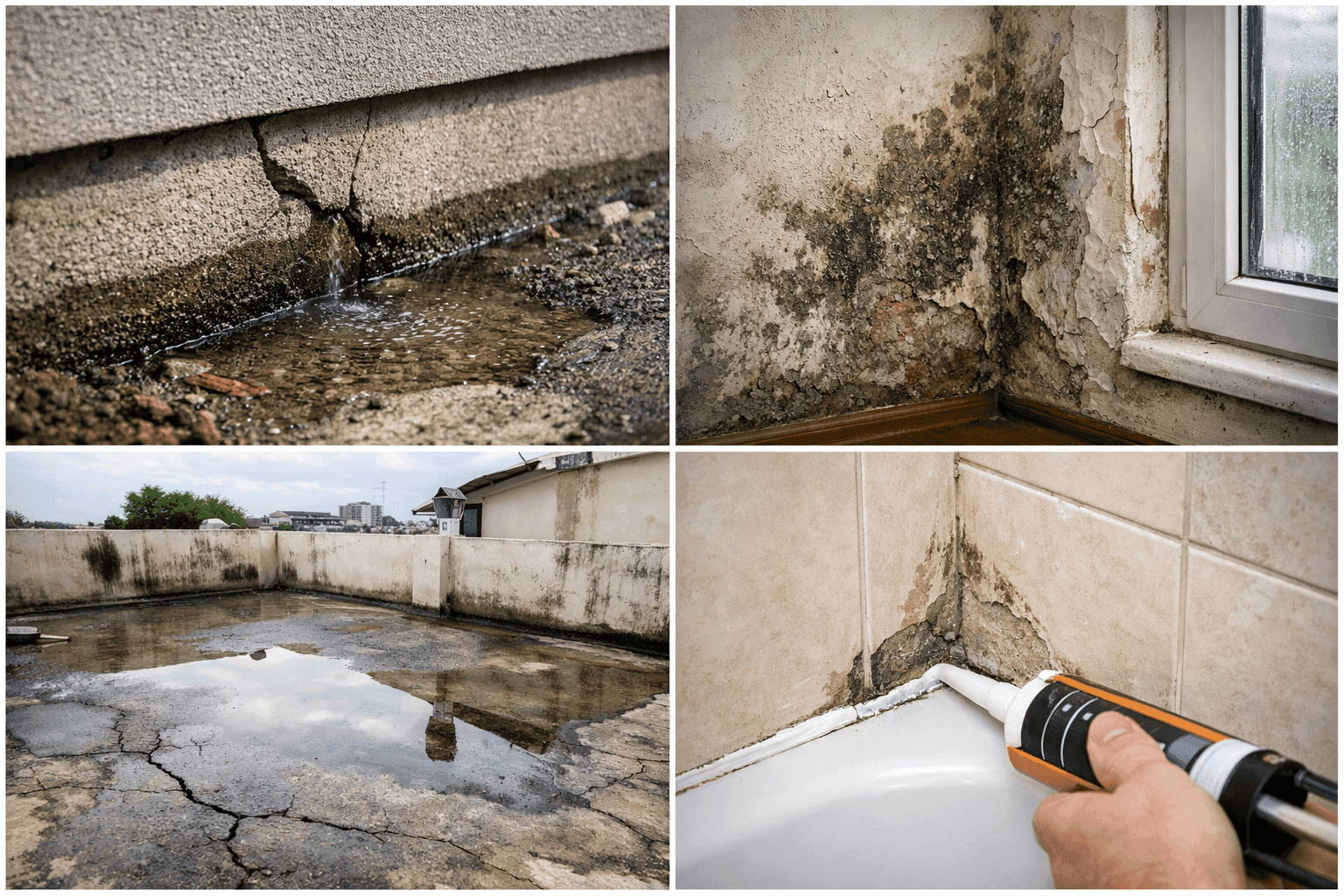
It’s easy to underestimate just how quickly water can become your enemy. One small crack on your terrace, a tiny gap in your roof, and suddenly you’re facing:
- Mould and mildew: Damp walls invite unhealthy fungal growth, affecting air quality and causing allergies.
- Structural damage: Water seeps in and weakens concrete, causing costly repairs never fun for a budget-focused homeowner.
- Paint peeling and stains: You save and invest in your dream home, only for its aesthetics to suffer from ugly, wet spots.
Finding the Right Roof Leakage Solution
Most single floor homes have flat or gently sloped terraces. While these make construction more affordable, they also demand special attention when it comes to waterproofing for a new house. Without a proper seal, rainwater can accumulate and seep through, leading to leaks or even structural danger. Investing in proven terrace waterproofing solutions like membranes, coatings, or sealants can pay off hugely in terms of peace of mind and long-term savings.
If you’re working with tight finances, compare terrace waterproofing cost options. Many cost-effective treatments are now available that don’t compromise on protection.
Damp Proofing for Walls: Invisible but Essential
Walls are often overlooked when thinking about water protection, but they’re just as vulnerable as your roof. If your home is built on land prone to moisture, or if there’s heavy rainfall in your region, damp proofing for walls becomes non-negotiable. Special coatings or plasters keep moisture from creeping up through the foundations, saving you from ruined interiors and unhealthy living spaces.
Working with a Waterproofing Contractor Near Me
If the DIY route feels risky, look for a waterproofing contractor near you. These specialists are well-versed in local construction styles and weather patterns, so their recommendations fit your unique situation. They’ll know which products last longest, and which techniques give the best bang for your buck in an affordable single floor home.
- Ask for local referrals and reviews community feedback is invaluable.
- Compare quotes, but don’t judge only by price check the materials and service included.
How to Prioritize Waterproofing (Without Breaking the Bank)
Balancing your budget while ensuring a safe home doesn’t mean you need to skimp on quality. Here’s how you can approach waterproofing in a low budget single floor house design sensibly:
- Identify high-risk areas: Terrace, bathrooms, and any exposed exterior wall.
- Choose reliable, tested products cheap coatings might fail quickly.
- Schedule periodic checks, especially before and after the monsoon season.
And don’t forget: Even affordable waterproofing measures are an investment. They prevent far greater losses from water damage in the future.
Comparing Terrace Waterproofing Cost Options
Costs can vary widely based on the size, material, and method used. Still, even basic waterproofing can greatly enhance durability. For most affordable single floor homes, popular solutions include:
- Polyurethane or acrylic coatings widely used and easy on the pocket.
- Cementitious waterproofing good for terraces, balconies, and wet areas.
- Membrane systems more expensive but extremely effective for long-term use.
Compare prices carefully and always check product guarantees to ensure lasting protection at a reasonable cost.
Buying Guide: What to Look For in Waterproofing Services and Materials
A quick checklist before you sign up with any waterproofing contractor near you:
- Quality: Go for branded, tested waterproofing products with solid reviews.
- Suitability: Choose solutions tailored for single floor, flat-roof designs and your region’s climate.
- Warranty: Professional contractors should offer service guarantees—don’t skip this step.
Ask questions! Good contractors will always explain the materials, techniques, and expected durability before starting.
Conclusion: Making Your Affordable Single Floor Home Last
A low budget single floor house design is a smart, sensible choice for many working professionals. But as with any investment, you want your home to last and waterproofing is one of the most essential ways to ensure it does. Spend a little extra effort now, and you’ll be rewarded with years of comfort, safety, and pride. Ready to make sure your house stays dry, happy, and hassle-free? Reach out to a trustworthy waterproofing contractor near you, ask all your questions, and take that first step towards a longer lasting, worry-free home.
If you need help deciding the right waterproofing for your new house or just want to compare terrace waterproofing cost options browse our site or connect with our experts today. Don’t let water woes steal your peace or your savings. Protect your home; you deserve it.
Frequently asked questions (FAQs)
Why is waterproofing important for single-floor homes?
Waterproofing is essential for single-floor homes because moisture directly impacts the foundation, walls, and roof. Without proper protection, water seepage can cause cracks, damp patches, mould growth, and gradual weakening of the structure. Timely waterproofing not only protects the building’s strength but also increases its lifespan and reduces future repair costs.
What are the most effective waterproofing solutions for low-budget houses?
For low-budget homes, cost-effective waterproofing options include cementitious waterproof coatings, crack sealants, and economical flat roof waterproofing systems. These solutions provide durable protection against water leakage without significantly increasing construction expenses, making them ideal for affordable housing projects.
How do I choose the right waterproofing material for a low-budget home?
When selecting waterproofing materials for a simple or low-budget house design, consider:
- The specific area exposed to moisture (roof, bathroom, foundation, etc.)
- Local climate conditions (heavy rainfall, humidity, heat)
- Expected durability and maintenance requirements
- Availability of professional waterproofing services in your area
Choosing the right material based on these factors ensures long-term protection without overspending.
How often should waterproofing be inspected or redone in a single-floor house?
Waterproofing in a single-floor house should ideally be inspected every 5–7 years. Flat roofs and exterior walls require special attention, especially before and after monsoon seasons. Regular inspections help detect early signs of leakage, cracks, or dampness and prevent costly structural damage later.
Which areas of a low-budget house need waterproofing the most?
The most critical areas requiring waterproofing in a low-budget home include:
- Roof (especially flat roofs)
- Bathrooms and toilets
- Kitchen floors and sink areas
- External walls
- Foundation and basement zones