Waterproofing vs Damp Proofing: What’s the Real Difference?
Waterproofers Team
May 28, 2026
Discover the key differences between waterproofing and damp proofing in this blog. Learn how each technique protects buildings, where to apply them, and why choosing the right method ensures long-lasting, moisture-free structures.
If you own a house, manage a building, or are in the planning stages of a home improvement, you’ve probably heard both “waterproofing” and “damp proofing” thrown around. They sound kind of similar, right? But in reality, the difference between the two matters — a lot! Understanding waterproofing vs damp proofing could be the key to a dry, comfortable space, saving you time, money, and plenty of future headaches.
Let’s break down what sets them apart, where you’d use one over the other, and why making the right choice can mean the difference between a quick fix and a lasting solution.
Why Moisture Protection Matters in Every Building
We all want our homes and spaces to stay fresh, inviting, and safe — not musty or moldy. Moisture protection isn’t just about avoiding soggy carpets or flaky paint; it’s also about keeping a building structurally sound, protecting indoor air quality, and avoiding repairs that can cost a bomb. Think of basements that feel dry year-round, walls without mysterious stains, and the peace of mind that comes with knowing you’ve safeguarded your space from water damage.
Maybe you’ve moved into a house where the basement always smells a little damp, or you’ve noticed bubbling paint in the corner of your bathroom. These are all signs that moisture is sneaking in. The right solution could spare you from constantly dehumidifying, patching, or worse — facing costly restoration work down the road.
Defining the Basics: What Is Damp Proofing?
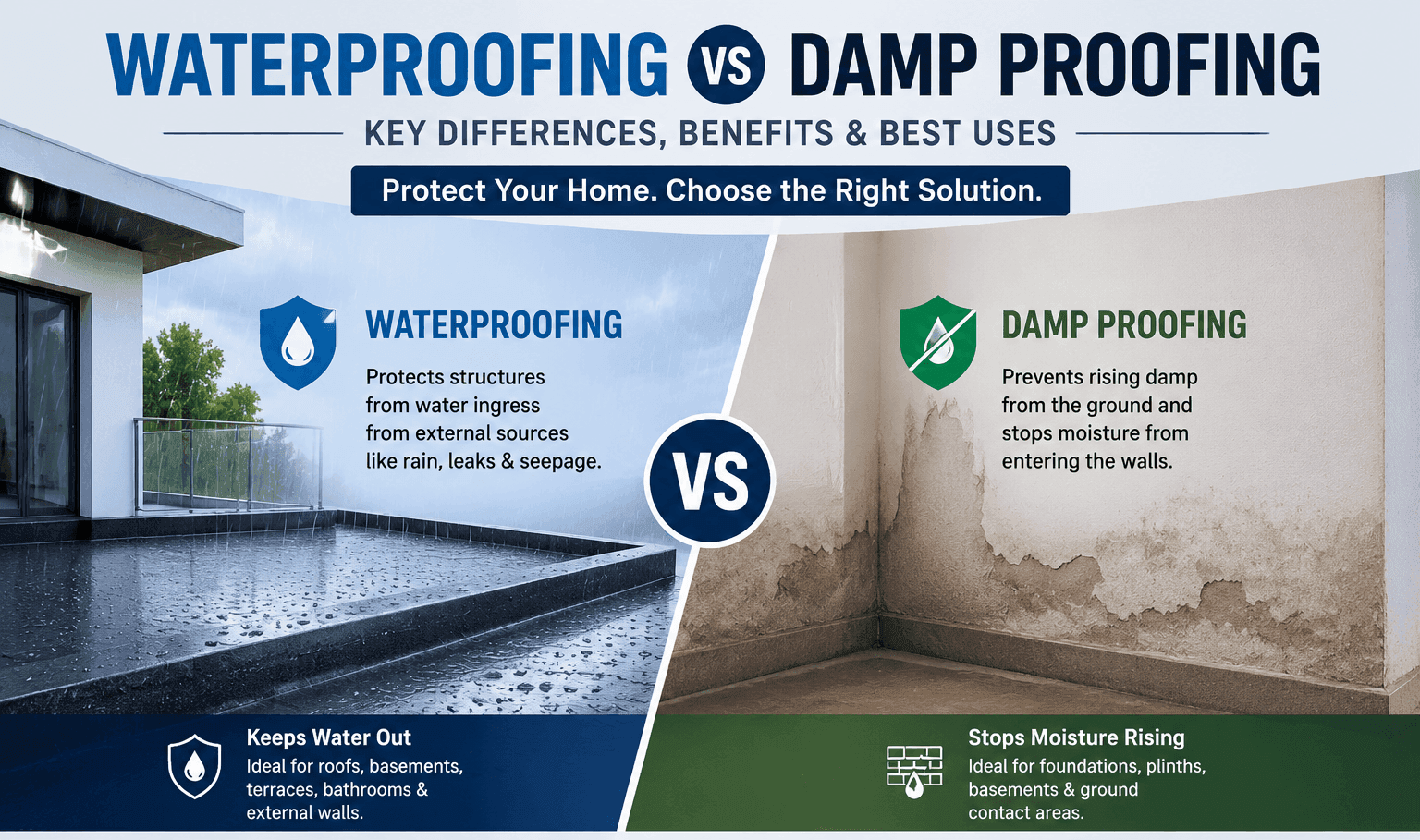
Damp proofing is the most basic form of moisture protection you can offer your walls and foundations. Think of it as a “moisture resistor,” not a waterproof shield. Damp proofing involves applying a barrier (often a coating or membrane) to stop moisture in soil from seeping into walls and surfaces. It’s most often used for areas not exposed to heavy water pressure, like above-ground walls or floors that just need a modest bit of help to stay dry.
Typical signs you need it? If you’re dealing with musty smells, faint wall discoloration, or patches of paint or plaster that peel in spots, damp proofing for walls and basements might be enough — as long as the water pressure isn’t intense.
What Sets Waterproofing Apart?
Waterproofing takes things several steps further. When you’re dealing with high water pressure, like below-grade basements, retaining walls, or even bathrooms where water is likely to pool or linger, waterproofing offers a much more robust defense. Unlike damp proofing, waterproofing stops both moisture and standing water from entering.
How? Specialized products and techniques are used, such as heavy-duty membranes, drainage systems, and sealants. This approach is designed for spaces that face regular or intense exposure to water — think flooded basements or external walls facing heavy rainfall.
Comparing Waterproofing vs Damp Proofing
Let’s make this real with a side-by-side look:
Damp proofing helps block slight moisture from seeping through. It’s great when you’re dealing with vapor and humidity, not direct water flow.
Waterproofing is your best bet for full resistance — it not only stops moisture but also protects against active leaks and heavy water pressure.
Here’s a guideline: if your space touches the earth (like a basement wall) or is exposed to the elements (like a shower floor or exterior wall in a rainy climate), waterproofing is a must. If it’s an internal wall with only minor condensation, damp proofing is usually sufficient.
Practical Applications: Where and When to Use Each Method
The line between damp proofing and waterproofing isn’t just about the labels — it’s about matching solutions to real-world needs. Here’s how to break it down for moisture protection:
Damp proofing for walls and basements: Use this if you’re dealing with minor moisture, slight ground dampness, or areas that don’t experience overflowing rain or floods.
Waterproofing: Choose this for critical spots: basements built below ground, foundations in flood-prone locations, bathrooms, and decks. If you’re in doubt, err on the side of waterproofing — especially in older buildings or extreme climates.
Real-life example: A friend’s basement in a dry, mild region stayed fresh with just damp proofing, but in a neighboring city where heavy spring rains flooded streets, only a thorough waterproofing treatment kept the basement dry all year.
How to Choose the Right Approach
Wondering how to decide? Consider these quick tips:
Think about location. Is the area below ground or exposed to weather?
Check the current issues. Are you fighting minor stains or puddles of water?
Consider long-term impacts. Will a heavy rainstorm cause panic every spring, or do you need an everyday, lighter remedy?
No two buildings are the same. What worked for your neighbor’s garage might not cut it for your garden flat. Consulting with a professional waterproofing contractor can help assess the unique risks of your walls, basements, or extensions.
What to Look for When Hiring a Pro
Whether you’re interested in DIY or want expert help, look for:
Experience: Choose specialists with a portfolio of similar projects.
Materials: Ask about high-performance, long-lasting membranes or coatings. Cheap, short-term solutions won’t last in demanding spots.
References: Trusted reviews and recommendations go a long way to ensure your investment delivers peace of mind.
And always ask about guarantees. A quality company will back their work with some form of warranty.
Conclusion: Invest Wisely for a Dry, Healthy Building
Choosing between waterproofing vs damp proofing isn’t just about picking products; it’s about protecting your property, your health, and your wallet. With so much at stake, taking a little time to match the right solution to your space makes all the difference. Waterproofing offers premium defense where you need it most, while damp proofing is perfect for tackling light, everyday moisture control.
Thinking about tackling a moisture issue head-on? Whether you’re planning renovations or simply want to improve air quality and comfort, investing in the right approach today means fewer problems (and expenses) tomorrow.
Take action now — consult a trusted waterproofer, evaluate your building’s unique needs, and breathe easier knowing you’ve built a solid line of defense against moisture. Your home (and your future self) will thank you.